2. Importance of Staircase Safety in High-Rise Buildings
Staircases in high-rise structures are fundamentally designed for two primary purposes: daily accessibility and emergency evacuation. However, the safety requirements during emergencies far exceed normal usage conditions.
During fire incidents or power failures, elevators become non-functional, making staircases the only exit route. This makes their structural integrity extremely important.
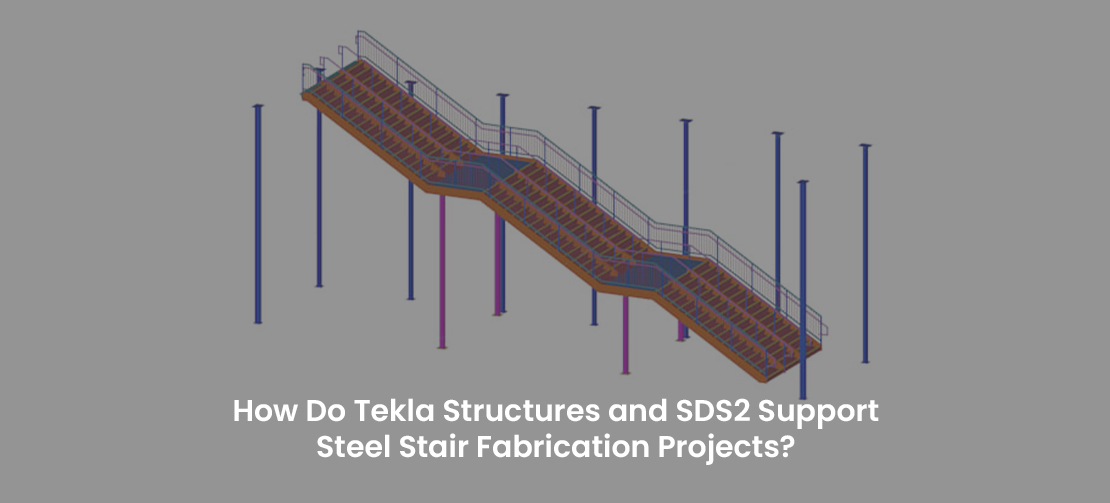
The importance of staircase safety engineering includes multiple critical aspects such as evacuation efficiency, fire resistance, load stability, and accessibility for all users including children, elderly individuals, and physically challenged persons.
Structural engineers ensure that staircases are wide enough to accommodate large crowds during emergencies while maintaining smooth movement flow. They also ensure that the slope, tread, and riser dimensions are optimized for comfort and safety.
Additionally, staircases must comply with fire safety standards to prevent collapse or deformation during extreme heat conditions. Materials used must resist fire and maintain structural strength under stress.
Thus, staircase safety is not just a design requirement—it is a life safety engineering responsibility.
3. Role of Structural Engineers in Stair Design
Structural engineers play a central role in transforming architectural concepts into safe and functional staircase systems. Their responsibility extends far beyond drawing designs—they ensure the structural behavior of the staircase integrates seamlessly with the building framework.
At Gridsglobal, engineers work closely with architects, MEP consultants, and contractors to ensure full coordination between design intent and structural feasibility.
Their responsibilities include:
• Structural load analysis of staircase components
• Designing reinforcement or steel support systems
• Ensuring compliance with building codes and safety regulations
• Integrating staircase loads into the main building structure
• Preventing vibration, deflection, and structural failure risks
Every staircase is engineered as a load-bearing structural system that interacts with slabs, beams, and columns. Therefore, precision engineering is essential to avoid structural imbalance.
4. Key Factors Considered in Staircase Engineering
The design of staircases in high-rise buildings depends on multiple engineering parameters that influence safety, comfort, and durability.
Structural engineers evaluate:
• Load calculations, including dead load and live load distribution
• Rise and tread dimensions, ensuring ergonomic comfort
• Material selection, such as RCC, steel, or composite systems
• Vibration control mechanisms to reduce movement impact
• Space optimization strategies for efficient design integration
Each of these factors is carefully analyzed using structural modeling tools and engineering calculations. Even a small variation in dimensions can impact usability and compliance.
For instance, improper tread size can lead to discomfort, while incorrect load distribution can cause long-term structural damage.
5. Structural Design Process of High-Rise Staircases
The engineering process for staircase design follows a structured workflow that ensures accuracy and compliance at every stage.
First, engineers conduct a detailed site analysis to understand building height, usage type, and structural layout. This is followed by requirement gathering where architectural inputs are evaluated.
Next, digital modeling is performed using CAD and BIM platforms. This allows engineers to simulate staircase behavior under various load conditions.
After modeling, load analysis and stress testing are conducted to ensure structural stability. Engineers simulate real-world conditions such as crowd movement, vibration, and emergency load scenarios.
Once validated, final designs are documented and submitted for approval. This stage ensures compliance with safety authorities and building regulations.
Finally, construction drawings are issued for execution with detailed reinforcement or fabrication instructions.